
What is Plaque?
What Is Plaque? A Complete Guide to Causes, Effects, and Prevention

What is plaque? It’s a term you’ve likely heard at the dentist, but few people truly understand what plaque is and how it affects your oral health. In short, plaque is one of the leading causes of tooth decay and gum disease—and if you don’t manage it properly, it can result in serious dental issues.
In this guide, we break down what plaque is, how it forms, the risks it poses, and the best ways to prevent it.
What Is Plaque?
Plaque is a sticky, colourless film of bacteria that constantly forms on your teeth and gums. If you’ve ever run your tongue across your teeth and felt a fuzzy texture, that’s likely plaque. The answer to “what is plaque” lies in its composition: a mix of bacteria, saliva, and food particles. This biofilm clings to your teeth and feeds on sugars in your diet.
So, what is plaque doing to your mouth? A lot more than you think. If left untreated, plaque can harden into tartar, contribute to bad breath, and damage your teeth and gums.
How Does Plaque Form?
Understanding what plaque is means understanding its lifecycle. Plaque begins forming minutes after eating. When food—especially sugars and starches—interacts with saliva, it creates the perfect environment for bacteria. These bacteria feed on the sugars and produce acids that begin breaking down enamel.
Over time, plaque on teeth hardens into tartar, which is far more difficult to remove. At this stage, you can’t get rid of it with regular brushing—you need a professional dental cleaning.
Why Is Plaque Harmful?
Now that you know what plaque is, you may be wondering why it’s such a big concern. Here’s how plaque affects your oral health:
-
Tooth Decay: The acids produced by plaque bacteria erode enamel, causing cavities.
-
Gum Disease: Plaque buildup at the gumline leads to inflammation (gingivitis) and, eventually, more serious conditions like periodontitis.
-
Bad Breath: Plaque harbors bacteria that can cause persistent halitosis.
-
Tartar Formation: When plaque hardens into tartar, it becomes more difficult to remove and even more damaging.
So, what is plaque doing long-term? If not removed regularly, it creates a chain reaction of oral health problems that only get worse.
How to Prevent Plaque Buildup
Preventing plaque comes down to maintaining strong oral hygiene habits. Here’s how to stop plaque on teeth before it becomes tartar:
1. Brush Your Teeth Twice a Day
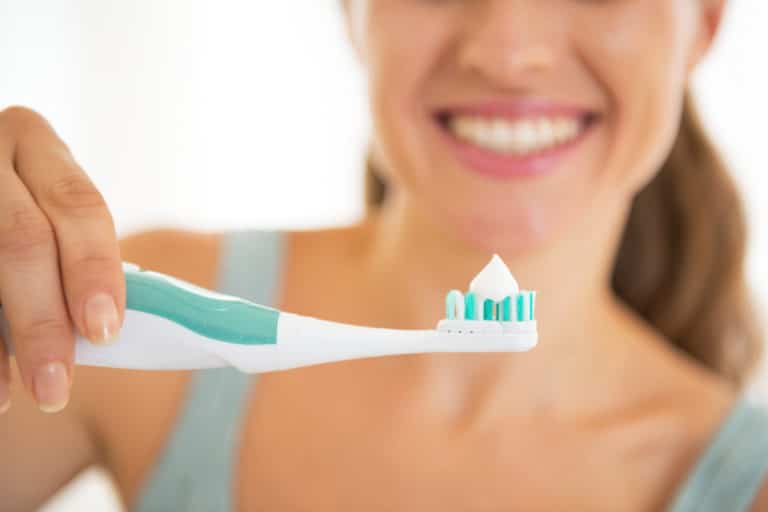
Regular brushing helps remove plaque before it has time to settle and harden. Be sure to brush all surfaces of your teeth for at least two minutes.
2. Floss Daily
Flossing gets in between the teeth and along the gumline, where plaque likes to hide. If you’re not flossing, you’re missing up to 40% of your tooth surfaces.
3. Use an Antibacterial Mouthwash
A good mouthwash helps reduce bacteria and wash away residual food particles, helping to minimize plaque development.
4. Cut Back on Sugar
The less sugar you consume, the less food the plaque-causing bacteria have to feast on. Opt for water, whole foods, and tooth-friendly snacks.
5. Visit Your Dentist Regularly
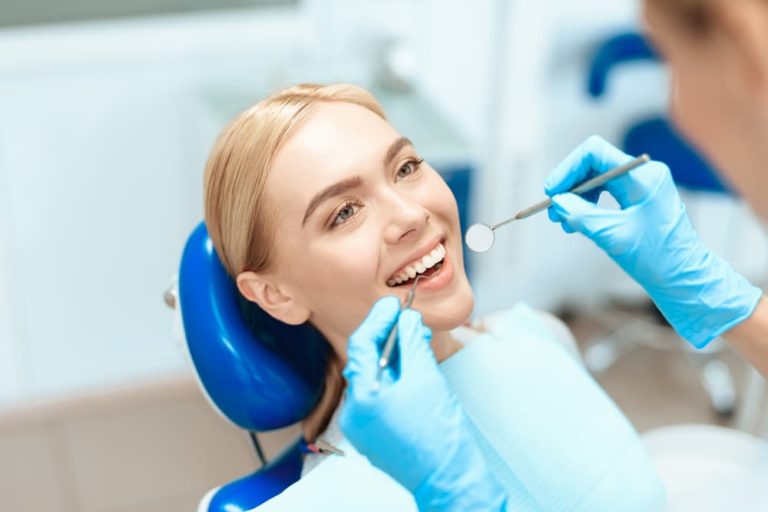
Even if you follow a strong hygiene routine, plaque can still accumulate in hard-to-reach places. Professional cleanings are essential for removing both plaque and tartar buildup.
Signs You Have Plaque
It’s not always easy to see plaque, but there are signs to watch for:
-
A white or yellowish film on your teeth
-
Bleeding gums
-
Bad breath
-
A rough feeling on the tooth surface
If you notice any of these, it’s time to ask yourself, what is plaque doing to my teeth? And it’s time to act.
What Is Plaque? The Bottom Line
To recap, what is plaque? It’s a bacterial film that damages your enamel, inflames your gums, and leads to tartar and tooth loss if left untreated. The best defense is daily oral care and regular dental visits.
At The Teal Umbrella in Ottawa, we help you identify, prevent, and remove plaque through personalized care and state-of-the-art cleanings. Don’t wait for plaque to become a bigger problem. Book your dental exam today and take the first step toward a plaque-free smile.