
Protecting Your Child’s Dental Health
Dental Health: How to Support a Lifetime of Healthy Smiles for Your Child


Your child’s dental health plays a critical role in their overall well-being, self-confidence, and development. Once their baby teeth fall out, they only get one set of permanent teeth—so it’s essential to establish a solid foundation for lifelong dental care early on.
Supporting your child’s dental health doesn’t need to be complicated, but it does require consistency, awareness, and proactive care. Whether it’s regular dentist visits, smart dietary choices, or daily brushing and flossing, small habits can make a big impact on their oral health.
Below are essential strategies to help you protect and promote the dental health of your child from infancy through adolescence.
1. Start Dental Visits Early
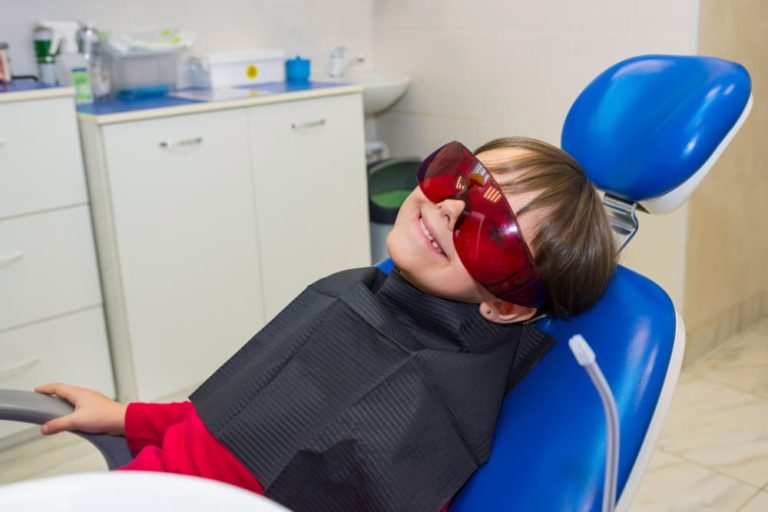
A child’s journey to excellent dental health starts with their very first visit to the dentist. The Canadian Dental Association recommends that children see a dentist within six months of their first tooth erupting—or by their first birthday.
During early visits, pediatric dentists check for developmental issues, cavities, and signs of future problems. They can also provide valuable guidance to parents on proper brushing techniques, the use of fluoride, and pacifier or bottle use.
By the time your child reaches age four, they should start attending routine dental checkups every six months. These regular visits allow for early detection of cavities, the application of preventive treatments like sealants or fluoride varnish, and reinforcement of good oral hygiene habits.
2. Address Harmful Habits Early
Several common childhood habits can negatively impact your child’s dental health if not addressed early:
-
Thumb-sucking and pacifier use beyond age 3 can cause misalignment of the teeth and lead to bite problems that may require orthodontic correction later on.
-
Teeth grinding (bruxism), which often occurs due to stress or anxiety, can wear down enamel and cause jaw discomfort.
-
Prolonged bottle-feeding or sippy cups filled with milk or juice—especially at bedtime—can result in “baby bottle tooth decay.”
Talk to your pediatric dentist if you notice any of these behaviors so they can recommend interventions and strategies to protect your child’s smile.
3. Invest in a Mouthguard for Sports
As children grow, many become involved in sports and physical activities. Whether they’re playing hockey, soccer, or gymnastics, accidental impacts to the mouth are common.
A professionally fitted mouthguard is a simple but effective way to protect your child’s teeth from trauma. It cushions the teeth and jaw, reducing the risk of chipped, broken, or knocked-out teeth, as well as injuries to the lips and tongue.
If your child grinds their teeth at night, a dentist can also provide a nightguard to prevent tooth wear and reduce stress on the jaw.
4. Focus on a Tooth-Friendly Diet
Diet is a major factor in maintaining strong dental health. Encourage your child to eat foods that support oral wellness, such as:
-
Calcium-rich foods: Milk, yogurt, cheese, and leafy greens help build strong teeth and bones.
-
Crunchy fruits and vegetables: Apples, carrots, and celery help naturally clean teeth and stimulate saliva.
-
Water: Fluoridated water helps rinse away food particles and bacteria while strengthening enamel.
At the same time, limit foods and drinks that harm your child’s teeth, including:
-
Sugary beverages like soda, fruit juice, and sports drinks
-
Sticky or chewy candies that cling to tooth surfaces
-
Acidic foods like citrus fruits and vinegar-based snacks that can erode enamel
Teaching your child how to make smart food choices not only promotes good dental health but also encourages overall healthy eating habits.
5. Build a Consistent Oral Hygiene Routine
Healthy smiles start with daily care at home. Establishing an effective dental hygiene routine early helps prevent tooth decay, gum disease, and other oral health issues.
Here’s how to get started:
-
Infants: Use a clean, damp cloth or soft infant toothbrush to gently clean your baby’s gums and teeth.
-
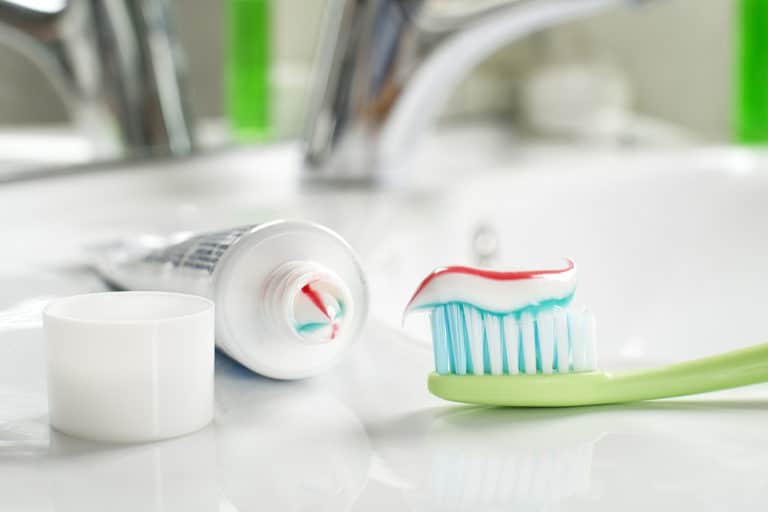
Toddlers and young children: Use a pea-sized amount of fluoride toothpaste and a child-sized toothbrush. Supervise brushing until your child can reliably spit out toothpaste and brush thoroughly.
-
Older children: Encourage brushing at least twice a day for two minutes and flossing once daily. Make brushing fun by using timers, reward charts, or music.
Creating a positive attitude around dental care in the home helps children develop a lifetime of good habits.
Long-Term Benefits of Early Dental Health Practices
By emphasizing dental health from an early age, you’re not just preventing cavities—you’re setting your child up for a lifetime of confident, pain-free smiles. Children with good oral hygiene habits are less likely to experience dental anxiety, miss school due to tooth pain, or require major dental interventions as adults.
Dental health is a vital part of overall health—and your efforts now will pay off in the years to come. Book their first dental consultation with The Teal Umbrella Family Dental Healthcare in Ottawa.