Helping Your Child Cope Teething Pain
Helping Your Child Cope Teething Pain
Teething can be a difficult and distressing time for both babies and parents. If adults had to go through the same discomfort, we’d likely be far less composed than our little ones! Although teething is a natural part of development, it often comes with pain, irritability, disrupted sleep, and changes in appetite. Every child experiences teething differently, which is why finding effective ways to soothe your baby is essential.
Here’s a guide to helping your child cope teething pain and make the process a little easier for the whole family.
Understanding the Teething Process
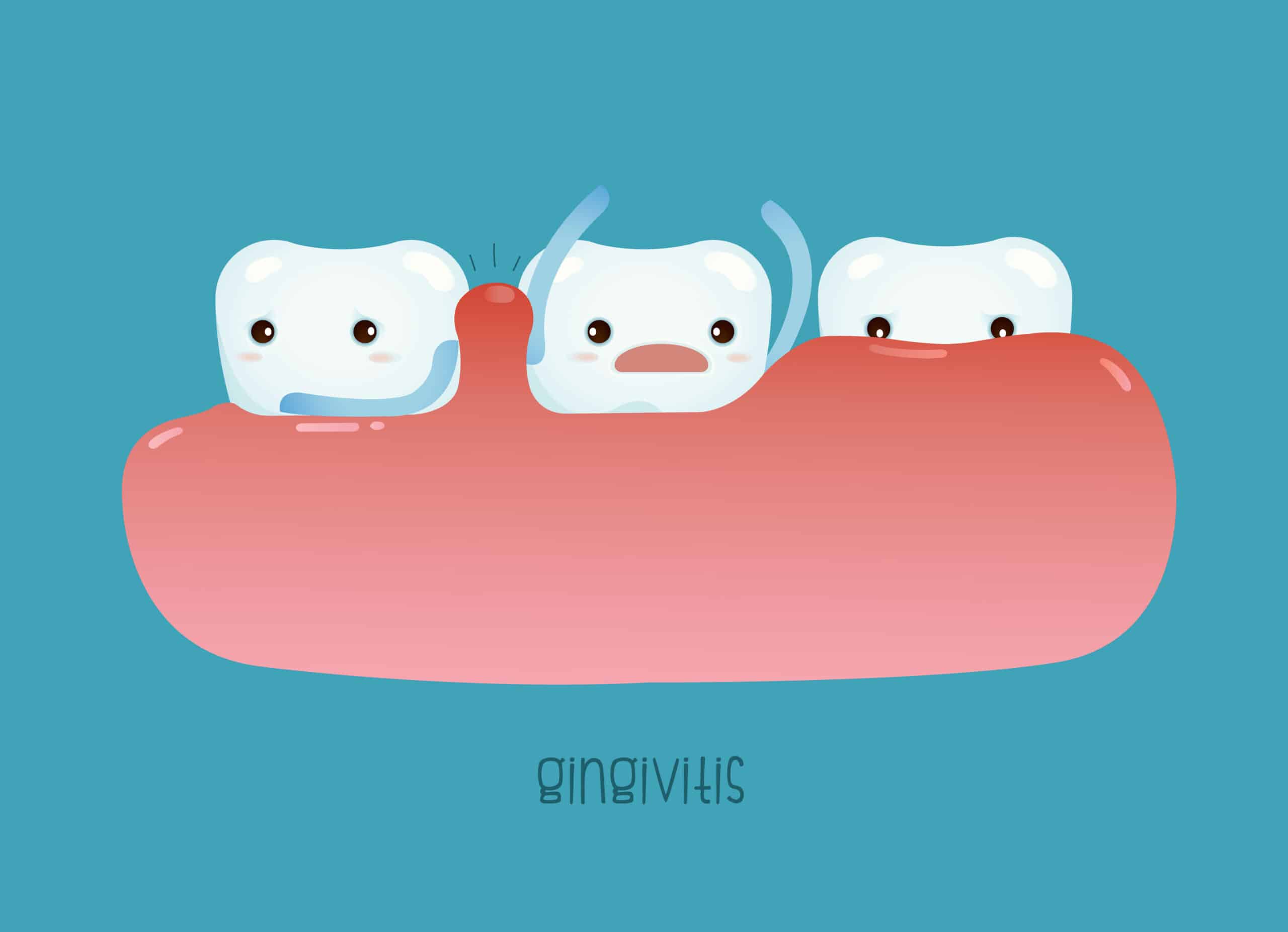
Teething begins when your baby’s primary teeth start pushing through the gums—an experience that can be painful and uncomfortable. Imagine something sharp slowly breaking through sensitive skin—that’s what your baby is feeling.
Symptoms of teething can include:
-
Excessive drooling
-
Chewing on objects
-
Swollen or tender gums
-
Fussiness or irritability
-
Changes in sleep or eating habits
-
Mild fever
During this time, your baby may act out of sorts, cry more than usual, or refuse their favorite foods. It’s important to stay patient and supportive—this phase, though challenging, is temporary.
Tips for Helping Your Child Cope Teething Pain
1. Use Cold Teething Aids
Cold provides natural pain relief by numbing the gums. Try:
-
Refrigerated (not frozen) teething rings
-
Cold washcloths to chew on
-
Frozen fruit placed in a baby-safe mesh feeder
These options not only soothe sore gums but also keep your baby engaged with tasty, healthy snacks.
2. Manage Fevers and Discomfort
Some babies may develop a mild fever during teething. While this can be concerning, it’s often a natural response to gum inflammation. If your baby has a low-grade fever and appears otherwise healthy:
-
Use infant Tylenol or Advil (as directed by your pediatrician)
-
Give your baby a lukewarm bath to cool down
-
Offer extra cuddles and comfort
Note: If the fever is high or persistent, consult your healthcare provider to rule out other causes.
When to Visit a Pediatric Dentist
In helping your child cope teething pain, Once you spot your child’s first tooth, it’s time to consider scheduling a visit with a pediatric dentist. The Canadian Dental Association recommends that children see a dentist within six months of the first tooth erupting or by their first birthday—whichever comes first.
A pediatric dental visit can help:
-
Ensure your child’s teeth and gums are developing properly
-
Provide expert guidance on brushing, diet, and oral care
-
Catch potential issues early
Even if your child hasn’t developed teeth by age one, a dental checkup is still important for monitoring oral development.
Final Thoughts on Helping Your Child Cope Teething Pain


Helping your child cope teething pain involves a mix of patience, comfort, and practical solutions. From cold remedies to proper dental care, there are many ways to ease your baby’s discomfort. Remember—this is just one phase of your child’s growth, and with your support, they’ll get through it (and so will you).
Looking for a family-friendly pediatric dentist? Our Ottawa dental team is here to support your child’s healthy smile from the very beginning. Contact us to schedule your child’s first dental visit today!