Type of Toothbrush Required
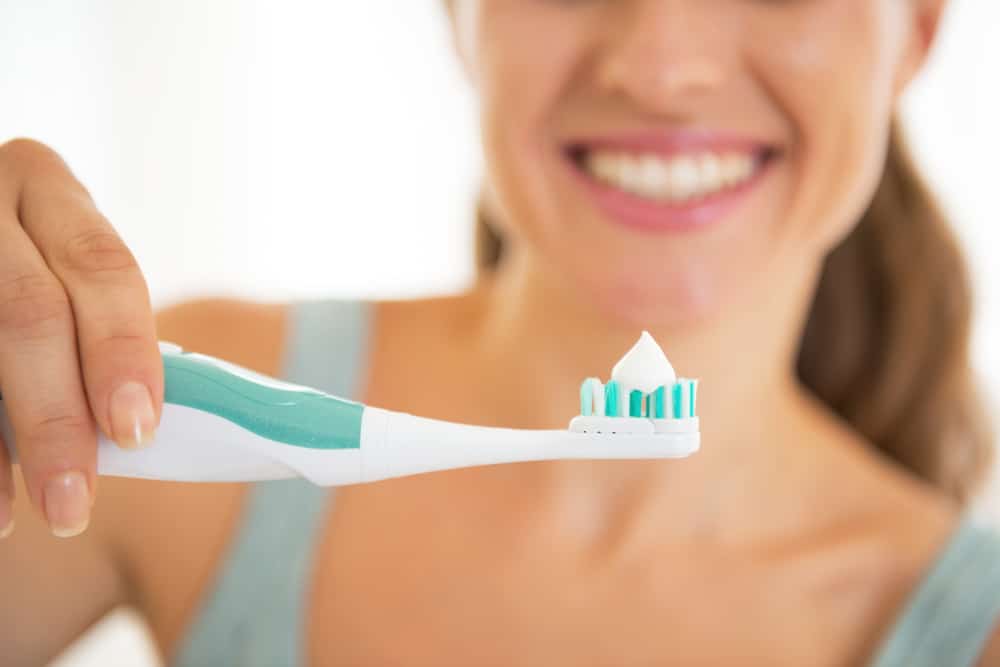
When it comes to maintaining your oral hygiene, brushing your teeth daily is essential. But with so many options on the market, choosing the right toothbrush can be overwhelming. Whether you’re debating between soft or hard bristles, electric or manual models, it’s important to understand the type of toothbrush required for your unique dental needs.
This guide explores the different toothbrush options available so you can make an informed decision and improve your dental health with every brush.
1. Bristle Hardness: Soft, Medium, or Hard?
One of the most common questions about the type of toothbrush required is: how firm should the bristles be?
Many people assume hard-bristled toothbrushes are more effective at removing plaque and stains. However, harder isn’t always better. In fact, hard bristles can wear down your enamel and irritate your gums, especially if you have sensitive teeth or receding gums.
What dentists recommend:
-
Soft-bristled toothbrushes: Gentle yet effective, ideal for most people
-
Medium-bristled toothbrushes: Suitable for those without sensitivity issues
-
Hard-bristled toothbrushes: Rarely recommended; may cause gum damage
To choose the correct toothbrush bristle type, always consider your gum sensitivity and consult with your dentist for personalized advice.
2. Toothbrush Head Shape and Bristle Design
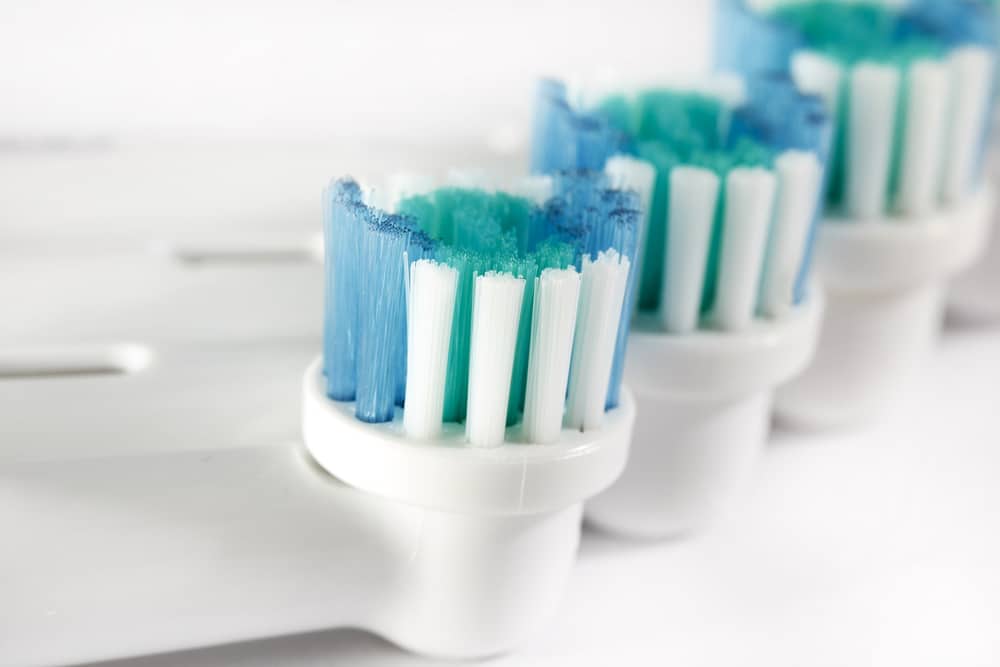
When exploring the type of toothbrush required, don’t overlook the head and bristle shape. These elements impact how effectively you clean hard-to-reach areas.
-
Diamond-shaped heads: Reach back teeth more easily
-
Cup-shaped bristles: Help lift stains and surround teeth surfaces
-
Criss-cross or angled bristles: Improve cleaning along the gumline
-
Longer bristles: Better access between teeth and tight spaces
Choosing the right shape ensures a deeper clean and better overall plaque removal.
3. Brush Head Size: Finding the Perfect Fit
Another important factor in selecting the type of toothbrush required is size. If the toothbrush head is too large for your mouth, you may miss important areas, leading to plaque buildup and decay.
Ideal brush head sizes:
-
Smaller heads: Best for children or adults with smaller mouths
-
Standard-sized heads: Suitable for most adult users
Make sure your toothbrush comfortably reaches all areas of your mouth, including the back molars.
4. Manual vs. Electric: What’s the Right Type of Toothbrush?
Choosing the type of toothbrush required also means deciding between manual and electric models. Each offers unique benefits:
Manual Toothbrush:
-
Inexpensive and widely available
-
Requires proper technique for effective cleaning
-
Fully controlled by hand movement
Spinbrush (Battery Operated):
-
A hybrid between manual and electric
-
More power than manual, less expensive than electric
-
Convenient for travel or starter electric users
Electric Toothbrush:
-
Rechargeable with oscillating/rotating or sonic action
-
Ideal for individuals with limited mobility (arthritis, shoulder issues)
-
Often includes timers, pressure sensors, and interchangeable heads
-
Provides more thorough plaque removal with less effort
If you’re unsure which type suits you best, your dentist can guide you based on your oral health needs and brushing habits.
Final Thoughts on Choosing the Right Toothbrush
Selecting the right type of toothbrush required plays a crucial role in your overall dental health. From bristle hardness and head shape to size and technology, every element contributes to a cleaner, healthier smile.
Still not sure which toothbrush to choose? Talk to us, we, a dental care provider here in Ottawa for personalized recommendations. The right toothbrush can make brushing easier, more effective, and even more enjoyable—keeping your smile healthy for years to come.