Cases When You May Receive Dental Sealants
4 Common Cases When You May Receive Dental Sealants
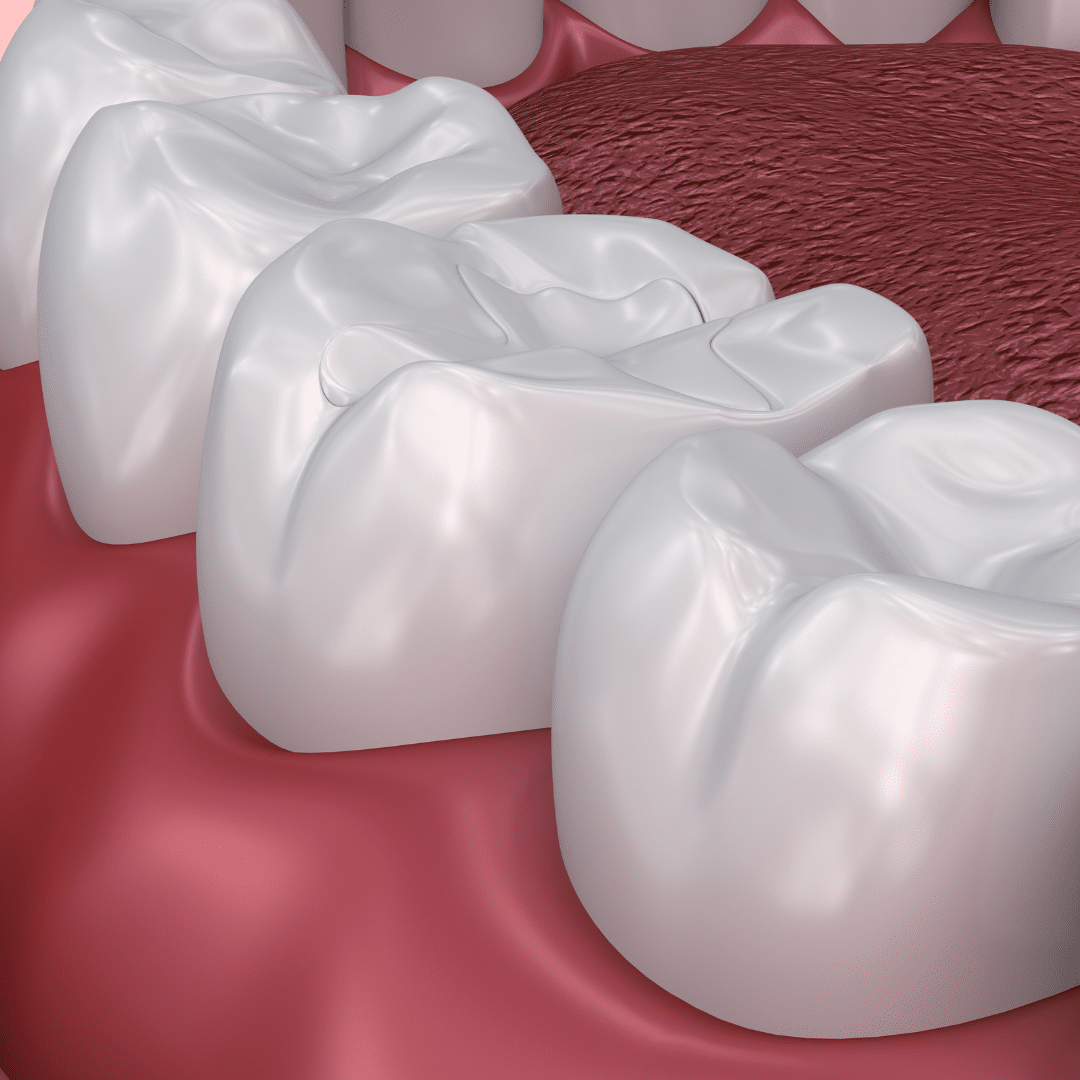
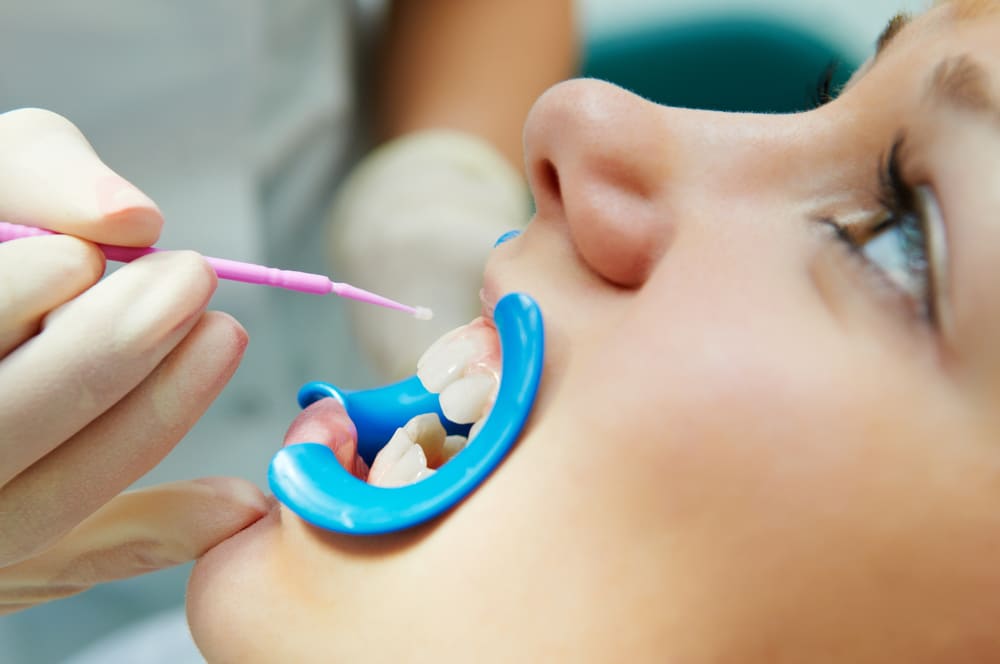
Dental sealants are often described as a shield for your teeth—and for good reason. These thin, protective coatings are applied to the chewing surfaces of your molars to block out bacteria, food particles, and plaque from settling in the tiny grooves. This preventative treatment helps reduce the risk of cavities and tooth decay, especially in vulnerable areas.
So, when are dental sealants typically recommended? Below, we explore the most common cases when you may receive dental sealants from your dentist.
1. Hard-to-Clean Areas in the Mouth
If you have crooked or crowded teeth, it can be difficult to properly clean all the small nooks and crannies—even with daily brushing and flossing. These hard-to-reach areas are more likely to trap food debris and develop plaque buildup over time.
These cases when you may receive dental sealants may be applied to protect vulnerable surfaces and make it harder for cavity-causing bacteria to take hold.
2. Teeth with Deep Grooves or Pits
Some teeth naturally have deep pits or fissures that are almost impossible to clean thoroughly. These areas can become breeding grounds for bacteria and decay.
If your dentist notices that a molar has particularly deep grooves, they may recommend a dental sealant to cover the tooth and act as a protective barrier, reducing the risk of cavities forming in these hard-to-maintain spots.
3. Individuals Prone to Cavities
One of the most common cases when you may receive dental sealants is if you’re someone who’s more prone to cavities. Factors that can increase cavity risk include:
-
A diet high in sugars or acidic foods
-
Genetic predisposition
-
Dry mouth
-
Weakened enamel
For these individuals, sealants are a powerful form of preventative dental care to help avoid future dental problems.
4. Preventative Treatment for Children and Teens
Sealants are most commonly applied during childhood—typically when the first and second permanent molars come in, around ages 6 and 12. Since children and teens are often at higher risk of cavities, especially during early brushing years, sealants can prevent decay from starting in the first place.
Dentists may also recommend sealants for teenagers and even adults, depending on their oral health and cavity risk.
Do You Need a Dental Sealant?

If you fall into one of these cases when you may receive dental sealants, it might be time to talk to your dentist. While sealants are an excellent tool for cavity prevention, they’re not a substitute for proper oral hygiene or regular dental visits. You’ll still need to brush, floss, and get checkups to maintain your overall oral health.
???? Contact The Teal Umbrella today to find out if dental sealants are the right solution for protecting your smile!