How Has Dentistry Changed over the Years?
Dentistry changed over the years in ways that most people wouldn’t believe. From painful, manual procedures with crude tools to high-tech, pain-free treatments, the evolution of dentistry is one of the most remarkable transformations in modern medicine. In fact, when comparing early 20th-century dentistry with today’s digital, cosmetic, and preventive dental care, it’s easy to see how far we’ve come.
In this article, we’ll explore the key milestones that show how dentistry changed over the years, shaping a patient-first experience that blends technology, comfort, and long-term oral health.
Early 1900s: Foundations of Modern Dental Care
The story of how dentistry changed over the years begins in the early 1900s:
-
In 1903, the invention of the dental crown allowed dentists to restore severely damaged teeth.
-
By 1905, Novocain became the first widely used dental anesthetic, reducing patient pain significantly.
-
During the 1940s, fluoride was discovered to reduce cavities, and by the 1950s it was added to public water supplies.
-
Fluoride toothpaste also debuted in the 1950s, making home care more effective than ever before.
-
The first reclining dental chair and high-speed hand tools emerged in the 1950s, increasing both comfort and precision.
These breakthroughs laid the groundwork for how dentistry changed over the years, making treatment more efficient and less painful.
1960s: Technology Begins to Transform Dentistry
The 1960s brought further technological enhancements, marking a clear shift in how dentistry changed over the years:
-
Soft tissue lasers were introduced, opening the door to minimally invasive procedures.
-
The electric toothbrush revolutionized home oral hygiene.
-
Sterilization methods were improved dramatically, moving beyond boiling water to advanced autoclaves.
-
The first experiments with dental implants also began, setting the stage for modern tooth replacement solutions.
This decade illustrates just how significantly dentistry changed over the years, with safer and more effective tools entering dental clinics worldwide.
1970s: The Birth of Cosmetic Dentistry and Modern Orthodontics
The 1970s were key in understanding how dentistry changed over the years in both function and appearance:
-
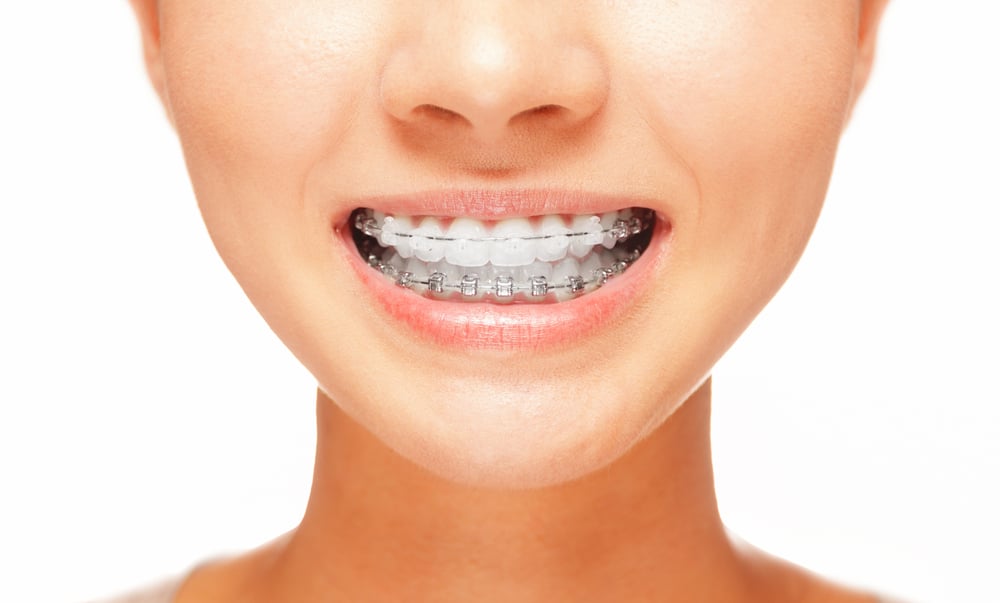
Braces became less invasive with the introduction of direct bonding, replacing the old method of wrapping brackets around teeth.
-
Dental composites emerged as the go-to material for fillings, veneers, and laminates, leading to more natural-looking results.
-
Cosmetic dentistry began to take off, with patients seeking smile enhancements along with oral health.
This era highlights that dentistry changed over the years not just in technology, but in how it responded to patient preferences.
1980s: The Rise of Aesthetic Options
In the 1980s, dentistry changed over the years to become more personalized and aesthetic-focused:
-
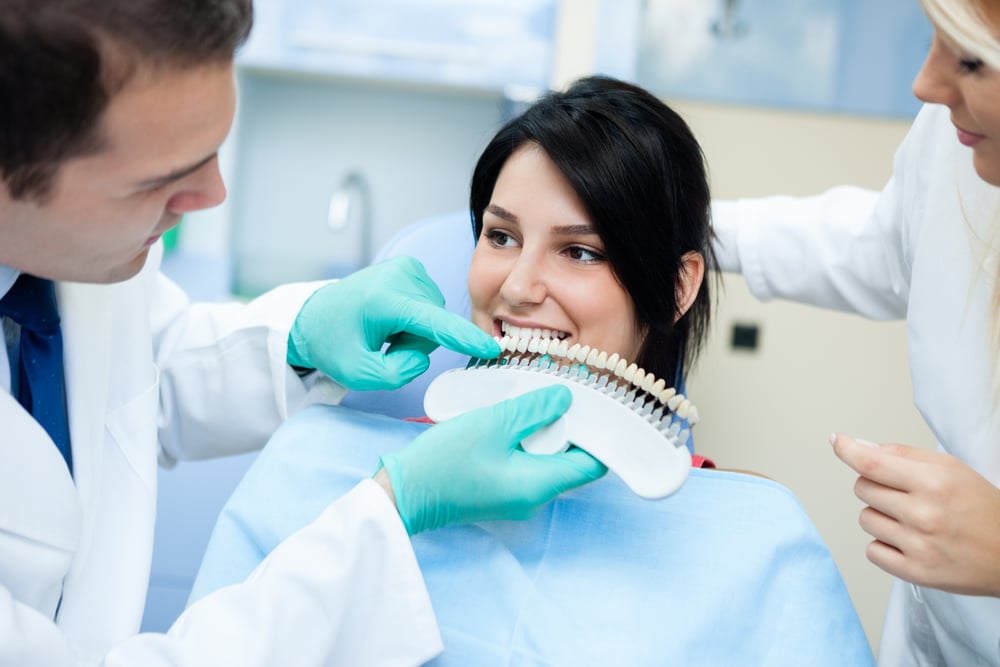
Tooth-colored braces gained popularity, especially among teens and adults who wanted discreet options.
-
While metal fillings and Novocain remained common, more patients began demanding better-looking, longer-lasting solutions.
-
The foundation of modern cosmetic practices was being solidified, showing once again how quickly dentistry changed over the years.
1990s: The Whitening Boom and Smile Aesthetics
Teeth whitening has existed for centuries, but the 1990s truly revolutionized it:
-
In 1989, the first thick whitening gel patent was granted, paving the way for today’s professional treatments.
-
The 1990s saw an explosion of over-the-counter whitening products, in-office procedures, and take-home kits.
-
Cosmetic treatments like bonding and veneers became more mainstream.
With smile enhancement now accessible to more people, it was clearer than ever how dentistry changed over the years to meet modern expectations.
2000s–Today: Digital, Comfortable, and Customized Care
In the 21st century, dentistry changed over the years at an accelerated pace:
-
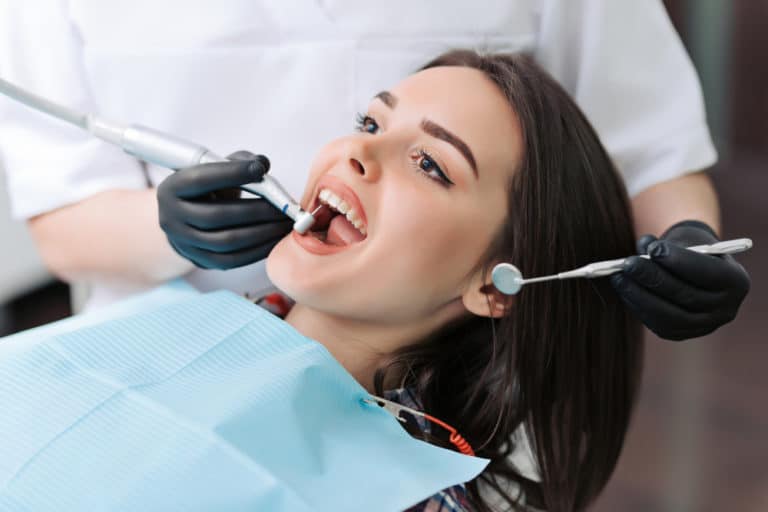
Digital X-rays, intraoral cameras, and 3D imaging replaced traditional methods, improving diagnosis and comfort.
-
Laser dentistry and CAD/CAM technology allow for faster, more precise treatments.
-
Invisalign and clear aligners offer discreet alternatives to braces.
-
Dental implants became the gold standard for missing teeth.
-
Same-day crowns and minimally invasive techniques changed what patients could expect from a single visit.
-
Practices now focus on preventive care, patient education, and total wellness.
There’s no doubt that dentistry changed over the years from clinical necessity to a full-service experience that emphasizes comfort, aesthetics, and long-term health.
See How Dentistry Changed Over the Years at The Teal Umbrella

At The Teal Umbrella Dental Care in Ottawa, we embrace everything that defines how dentistry changed over the years. Our team uses cutting-edge technology, gentle techniques, and modern materials to give every patient the care they deserve.
Whether you need a checkup, teeth whitening, orthodontics, or restorative work, we’re here to show you how far dentistry has come—and how enjoyable a dental visit can be.
Experience the Best in Modern Dentistry Today
If you haven’t been to the dentist in a while, now’s the perfect time to discover how dentistry changed over the years—and why patients today benefit more than ever before.
???? Call The Teal Umbrella today to schedule an appointment
???? Visit our website to explore our full list of services
???? Proudly serving Ottawa and surrounding areas with advanced family dentistry
Final Note:
From uncomfortable, outdated tools to high-tech, patient-friendly care, it’s amazing how dentistry changed over the years. At The Teal Umbrella, we’re proud to lead the way in modern dental care—where health, comfort, and confidence come together.