

Dental Implants VS Bridges & Dentures
Dental Implants vs Bridges: Which Tooth Replacement Option Is Best?

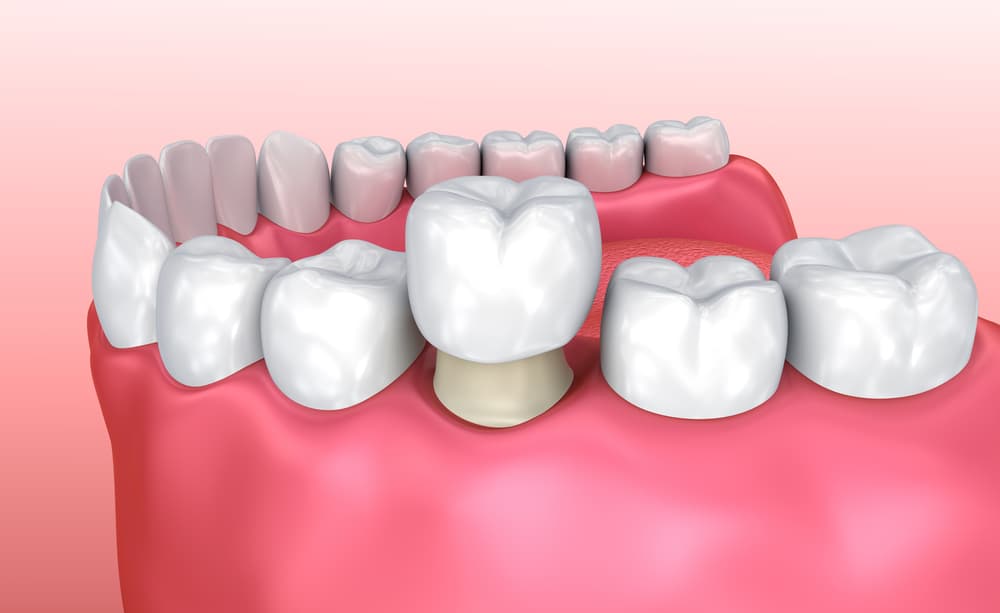
If you’re missing one or more teeth, choosing the right replacement option is crucial—not just for your smile, but for your long-term oral health. When comparing dental implants vs bridges, the differences are significant in terms of durability, comfort, bone health, and overall dental function.
Although dental bridges have been a traditional option for many years, dental implants have become the preferred solution by most dentists due to their long-lasting results and ability to preserve both teeth and bone structure. Let’s explore the key differences between dental implants and bridges so you can make an informed decision.
What Are Dental Implants?
Dental implants are titanium posts surgically inserted into the jawbone, acting as artificial tooth roots. Once the implant integrates with your bone through a process called osseointegration, a crown is placed on top, creating a natural-looking, fully functional replacement tooth.
What Are Dental Bridges?
Dental bridges, on the other hand, are prosthetic teeth held in place by adjacent natural teeth. In a traditional bridge, the teeth on either side of the missing tooth must be shaved down and capped with crowns that support the artificial tooth in the middle.
Dental Implants vs Bridges: What’s the Difference?
When comparing dental implants vs bridges, there are several key factors to consider:
1. Impact on Surrounding Teeth
Dental implants stand alone. They do not rely on surrounding teeth for support, which helps preserve the integrity of your healthy teeth. In contrast, dental bridges require the adjacent teeth to be filed down—even if those teeth are perfectly healthy. This can lead to long-term complications such as increased risk of decay, infection, or structural damage to the supporting teeth.
???? Winner: Dental Implants
2. Bone Health and Preservation
One of the biggest advantages of dental implants is their ability to preserve jawbone density. The implant post stimulates the jawbone just like a natural tooth root would, helping to prevent bone resorption and facial collapse. Bridges do not offer this benefit, and over time, the lack of stimulation can result in bone loss in the jaw, which may alter your facial structure.
???? Winner: Dental Implants
3. Longevity and Durability
When comparing dental implants vs bridges in terms of lifespan, implants come out on top. Dental implants can last 20 years or more—often a lifetime—with proper oral care. Bridges, on the other hand, typically need to be replaced every 7 to 10 years due to wear, damage, or decay of the supporting teeth.
???? Winner: Dental Implants
4. Aesthetics and Natural Feel
Dental implants mimic the look and function of natural teeth. They feel comfortable, provide a secure bite, and don’t shift or move. Bridges can look natural too, but over time, gum recession may expose the metal base of the bridge, which can compromise your smile’s appearance.
???? Winner: Dental Implants
5. Maintenance and Oral Hygiene
Caring for dental implants is simple—just brush, floss, and visit your dentist regularly. Bridges, however, require additional cleaning underneath the pontic (the artificial tooth) and can trap food, leading to plaque buildup and gum disease if not cleaned properly.
???? Winner: Dental Implants
Cost Comparison: Dental Implants vs Bridges
Upfront, dental implants are typically more expensive than bridges. However, because implants last significantly longer and require less maintenance or replacement, they are often the more cost-effective option in the long run. Additionally, the health benefits associated with implants—such as preventing bone loss—add significant value.
When to Choose Dental Bridges
While dental implants are often the preferred solution, bridges may be a viable option if:
-
You are not a candidate for implant surgery
-
You have insufficient bone density and don’t want a bone graft
-
You need a faster and less invasive solution
-
You’re looking for a lower-cost short-term fix
In these cases, a bridge can still offer functional and aesthetic benefits—just with more compromises compared to implants.
Final Verdict: Dental Implants vs Bridges
When evaluating dental implants vs bridges, dental implants clearly provide more benefits in terms of health, durability, and appearance. They preserve jawbone integrity, protect surrounding teeth, and offer a permanent solution that closely mimics natural teeth.
If you’re looking for a long-lasting, natural-feeling, and structurally sound tooth replacement, dental implants are the clear winner.
Consult with a Trusted Dentist in Ottawa
Every patient is different, and your choice between dental implants vs bridges should be based on your individual needs, budget, and oral health. At The Teal Umbrella Dental Clinic in Ottawa, our experienced team can help you weigh your options and determine the best solution for your smile.
???? Schedule a consultation today and let us help you restore your confidence, one tooth at a time.